
Exams can be daunting, especially when they are professional exams. But never fear, SafeSeas Training will guide you through the steps to ensure that you pass your exams with ease. With the right strategies, you can optimise your study time and increase your chances of success. Here’s a comprehensive guide to help you gain your Certificate of Competency first time.
1. Understand the Exam Structure
Before you dive into studying, familiarise yourself with the exam format:
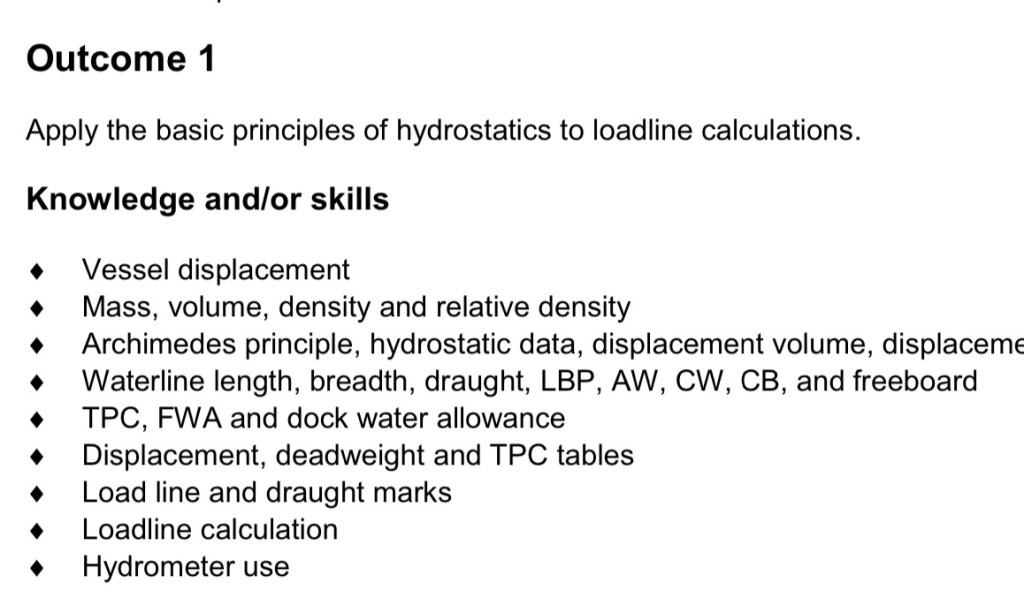
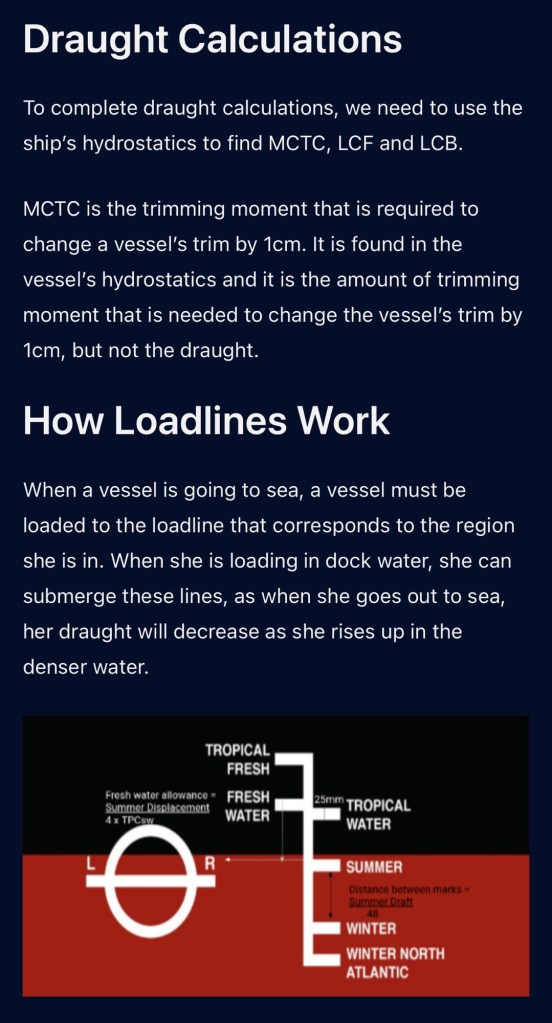
– Content Outline: Review the topics covered. For your SQA exams, go through the SQA unit descriptor. It is worth doing this at the start of the course so you have an idea of what could come up in the exam as you go through the syllabus and when studying for your exam. The SafeSeas Training learning platform has all the content aligned with the SQA unit descriptor. You can sign up here, knowing that all aspects of the syllabus is covered, with fully worked examples and video tutorials. For example, the SafeSeas Training Stability module aligns with the SQA descriptor.
The SQA unit descriptor for outcome 1, with the SafeSeas Training learning platform aligned learning.
– Before each exam, ensure you understand the style of exam: Understand if the exam includes multiple-choice, essays, practicals, or a combination. The final stage of gaining your Certificate of Competency is a one-on-one assessment with a UK MCA surveyor.
– Know how much time you have for the Exam and each individual section.
This will help you tailor your study plan to focus on areas that carry more weight or require deeper understanding.
2. Create a Study Schedule
A well-structured schedule is crucial. It is best to start recapping on what you’ve learnt throughout the course, opposed to cramming just before an exam. However ensure you schedule enough down time to rest, relax and eat properly!
– Start Early: Give yourself enough time to cover all topics. Break down the syllabus and allocate a topic or two per day. So for example, for the stability module, you could revise list and single weight loading problems on one day, then the next day study weight shift problems the next day.
– Regular Reviews: Allocate time for regular reviews to reinforce learning and identify weak areas but also show how far you’ve come.
3. Utilise Quality Study Materials
Invest in reputable study resources:
– College materials: Start with materials provided or recommended by your college and sponsoring company.
– Online Resources: Leverage online courses such as the SafeSeas Training learning platform to support your studies. We have step-by-step how to guides, video tutorials and written theory for all of the SQA syllabus. Our material covers the syllabus from your first day of college, right up to your SQA written exams. You can also use webinars, and forums for additional explanations and peer support.
4. Practice with Mock Exams
Simulate exam conditions with practice tests:
– Timed Practice: Take practice exams, or make up your own from practice questions provided by the college, under timed conditions to get used to the pressure.
– Analyse Results: Review your answers to understand mistakes and correct them. Have a look for anything that could have been an error in principle, or a clerical error and learn from these mistakes.
– Repeat: Regular practice tests can significantly boost your confidence and performance.
5. Join a Study Group
Studying with fellow students can provide multiple benefits:
– Knowledge Sharing: Exchange knowledge and clarify doubts, another student may have another way of thinking that can help you understand the topic better.
– Motivation: Keep each other motivated and accountable.
– Different Perspectives: Gain insights from others’ understanding of complex topics.
6. Use Active Study Techniques
Active learning is more effective than passive reading:
– Make your own practice mock exams, with a marking scheme: It will help you get into the thought process of the examiner and what they are looking for
⁃ Flashcards: Create flashcards for important concepts and definitions.
– Summarise: Write summaries of each topic in your own words.
– Teach: Explain concepts to someone else to reinforce your understanding.
7. Focus on Weak Areas
Identify and target your weak spots:
– Self-Assessment: Use quizzes and practice tests to find areas where you struggle. When you are preparing your orals you can use the SafeSeas Training Assessment Generator, you can sign up here.
– Weak areas: Spend more time on these topics and use additional resources if necessary.
– Seek Help: Don’t hesitate to ask for help from instructors or peers, attend drop in sessions, or invest in additional training programmes.
8. Stay Healthy
Your physical and mental health play a significant role in your performance:
– Balanced Diet: Eat nutritious foods to keep your energy levels stable, pot noodles are not your friend!
– Regular Exercise: Incorporate physical activity to reduce stress and improve concentration. If you get stuck on something and are making no progress, going for a walk can help you break through as you will see the problem with fresh eyes.
– Adequate Sleep: Ensure you get enough rest, especially before the exam day. Cramming the night before the exam is not a good idea! If you don’t know it the night before, cramming is unlikely to help.
9. Manage Stress
Stress can hinder your ability to retain and recall information:
– Relaxation Techniques: Practice meditation, deep breathing, or yoga to stay calm.
– Breaks: Take regular breaks during study sessions, get away from your desk and embrace hobbies to avoid burnout.
– Positive Mindset: Maintain a positive attitude and visualise your success. It is worth visualising how the exam will feel, how you will approach it and visualise confidently answering the questions.
10. Stay Consistent
Consistency is key:
– Daily Study: Dedicate time each day to study, even if it’s just an hour. Ensure that you balance all your subjects and don’t just focus on the ones you find difficult.
– Avoid Cramming: Cramming can lead to stress and poor retention. Stick to your schedule.
– Review Regularly: Regularly revisit old topics to keep them fresh in your mind.
Conclusion
Preparing for your professional exams, which consist of your college exams for your chosen pathway, SQA exams (unless exempt) and the MCA orals exam. To be successful this requires dedication, strategic planning, and effective study techniques. By understanding the exam structure, creating a solid study schedule, utilising quality resources, practicing regularly, and maintaining your health, you can increase your chances of passing first time. Remember, consistency and a positive mindset are essential.
You can sign up for the SafeSeas Training learning platform, which contains:
- Step by step ‘how to’ guides for practical questions
- Videos guiding you through how to solve common SQA questions
- Access to material for the full UK MCA SQA syllabus.
You can sign up here.
 SafeSeas Training
Excellent write up , thank you Sarah !
LikeLike
I am really glad you found it helpful. Please let me know if there are any further articles you’d like!
LikeLike